Link is external. National Association of City Transportation Officials NACTO has created a new urban bikeways design manual based in large part on designs that have been innovated or adapted by their member cities which includes bike-friendly notables such as New York Portland San Francisco Minneapolis and Seattle among others. Aashto bikeway design guide.
Aashto Bikeway Design Guide, An 18 mph design speed will cover most users based on the AASHTO Guide for the Development of Bicycle Facilities. The AASHTO Guide for the Development of Bicycle Facilities also provides. AASHTO definitions relate to planning design and operation of bikeway facilities. This basic bikeway design guidance was drawn from a variety of sources.
 Design Transportation Org From
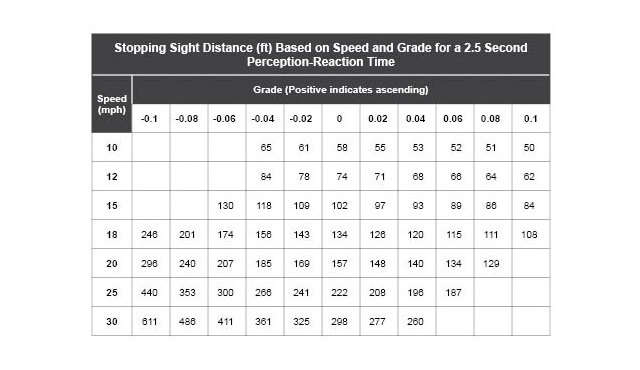
An 18 mph design speed will cover most users based on the AASHTO Guide for the Development of Bicycle Facilities. Bikeway Design Guide Most treatments are not directly referenced in AASHTO Guide to Bikeway Facilities MUTCD Many elements of treatments are found within these documents MUTCD Approval Status Bike Signal still classified as experimental by FHWA. The NACTO Urban Bikeway Design Guide is based on the experience of the best cycling cities in the world. Widths 7 ft 21 m or greater may encourage motor vehicle use of bike lane for parking or driving.
Widths 7 ft 21 m or greater may encourage motor vehicle use of bike lane for parking or driving.
Read another article:
Bicycle Facility Design Guide 2-3. DESIGN GUIDELINES6 The Pedestrian and Bicyle Information Center NACTO AASHTO the MUTCD nationally recognized bikeway standards and other sources have all informed the content of this chapter. AASHTO Adds Designs to Bikeway Guide But Not Protected Bike Lanes. All terms are based on AASHTO or MUTCD unless otherwise noted. General Considerations for Different Bikeway Types.
 Source: tooledesign.com
It is not intended to set forth strict standards but rather to present sound guidelines that will be valuable in attaining good design sensitive to the needs of. The AASHTO Guide for the Development of Bicycle Facilities is the authoritative national design standard for bikeway design. There are fragments below from both the previous 1999 edition as well as the current 2012 edition. In denser urban such as downtown andor other recreational areas of the District a lower design speed may be considered following discussion with DDOT staff. Aashto Guide For The Development Of Bicycle Facilities Toole Design.
 Source: usa.streetsblog.org
Since many transportation engineers take their cues from AASHTO there was an urgent need to update the 1999 guide. For example design for separated bike lanes is quickly evolving and as such a flexible design. Overview of the 2012 AASHTO Guide. Design guidance that addresses the mobility needs of bicyclists on all roads as well as on Class II bikeways bike lanes is distributed throughout this manual where appropriate. Key Design Guide To Finally Include Protected Bike Lanes Streetsblog Usa.
 Source: azbikelaw.org
The July 26 2011 Proposed Accessibility. AASHTO Guide for the Development of Bicycle Facilities American Association of State Highway and. The purpose of the NACTO Urban Bikeway Design Guide part of the Cities for Cycling initiative is to provide cities with state-of-the-practice solutions that can help create complete streets that are safe and enjoyable for bicyclists. This basic bikeway design guidance was drawn from a variety of sources. Aashto Guide For The Development Of Bicycle Facilities Arizona Bike Law.
Source:
Link is external. Toole Design staff have a history of involvement in preparing this Guide dating back to the 1990s. FHWA Separated Bike Lane Planning and Design Guide. Design guidance for Class IV bikeways separated bikeways is provided in DIB 89. Design Transportation Org.
 Source: trivisonno.medium.com
It is not intended to set forth strict standards but rather to present sound guidelines that will be valuable in attaining good design sensitive to the needs of. The NACTO Urban Bikeway Design Guide is based on the experience of the best cycling cities in the world. AASHTO Guide for the Planning Design and Operation of Bicycle Facilities DRAFT FOR AASHTO COMMITTEE REVIEW AND COMMENT. AASHTO Guide for the Development of Bicycle Facilities American Association of State Highway and. Comparing Cycling Infrastructure Design Guides American Aashto Vs Dutch Crow Part 1 By Angelo Trivisonno Medium.
 Source: catsip.berkeley.edu
In denser urban such as downtown andor other recreational areas of the District a lower design speed may be considered following discussion with DDOT staff. An 18 mph design speed will cover most users based on the AASHTO Guide for the Development of Bicycle Facilities. The purpose of the NACTO Urban Bikeway Design Guide part of the Cities for Cycling initiative is to provide cities with state-of-the-practice solutions that can help create complete streets that are safe and enjoyable for bicyclists. Last week AASHTO the national association of state DOTs published the first update to its bicycle facility design guide in 13 years available online for 144. Aashto Bicycle Facilities Guide California Active Transportation Safety Information Pages Catsip.
 Source: tooledesign.com
Since many transportation engineers take their cues from AASHTO there was an urgent need to update the 1999 guide. Design guidance for bikeways should be referenced from AASHTO FHWA MUTCD and NACTO sources. FHWA Measuring Multimodal Network Connectivity. AASHTO Guide for the Development of Bicycle Facilities National The AASHTO Guide for the Development of Bicycle Facilities is the authoritative national design standard for bikeway design. Aashto Guide For The Development Of Bicycle Facilities Toole Design.
 Source: ite.org
FHWA Measuring Multimodal Network Connectivity. DESIGN GUIDELINES6 The Pedestrian and Bicyle Information Center NACTO AASHTO the MUTCD nationally recognized bikeway standards and other sources have all informed the content of this chapter. Bikeway Design Guide Most treatments are not directly referenced in AASHTO Guide to Bikeway Facilities MUTCD Many elements of treatments are found within these documents MUTCD Approval Status Bike Signal still classified as experimental by FHWA. An 18 mph design speed will cover most users based on the AASHTO Guide for the Development of Bicycle Facilities. Decision Making Support For Bikeway Selection Institute Of Transportation Engineers.
 Source: slideshare.net
Source: slideshare.net
This document is primarily used for shared use paths designed as bicycle facilities. AASHTO Guide for the Development of Bicycle Facilities National The AASHTO Guide for the Development of Bicycle Facilities is the authoritative national design standard for bikeway design. Widths 7 ft 21 m or greater may encourage motor vehicle use of bike lane for parking or driving. Guide shall take precedence because it contains design guidance more current than the 2012 AASHTO Guide. Lscog Bicycle And Pedestrian Regional Plan 2012.
 Source: tooledesign.com
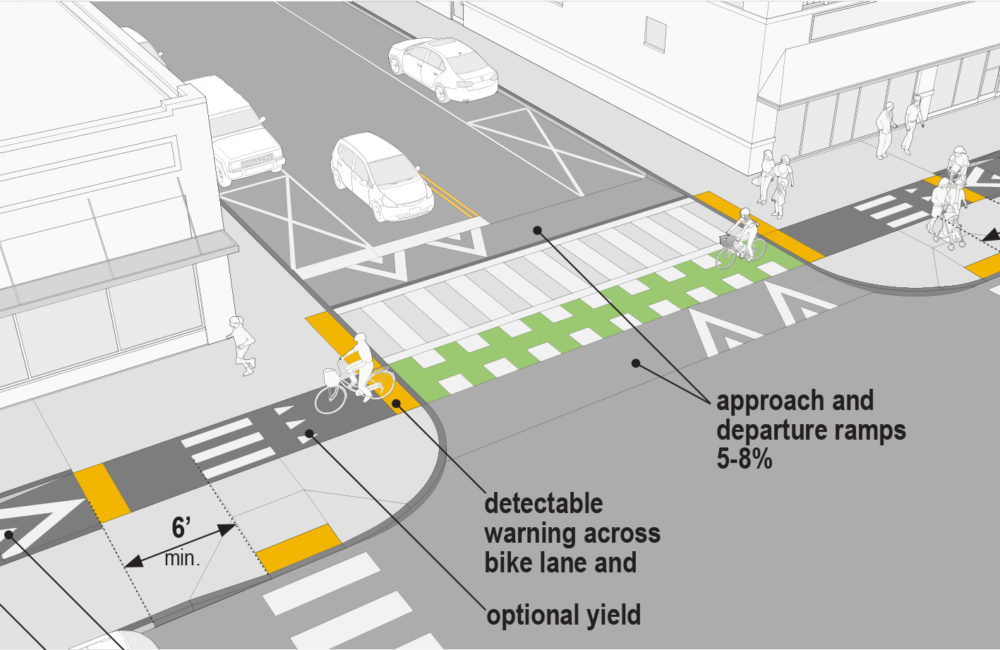
Its sole purpose is to help practitioners make informed decisions for selecting a bikeway. Typical Wayfinding Signs. As of the time of this writing the complete guide isnt freely available. An 18 mph design speed will cover most users based on the AASHTO Guide for the Development of Bicycle Facilities. Aashto Guide For The Development Of Bicycle Facilities Toole Design.
 Source: nacto.org
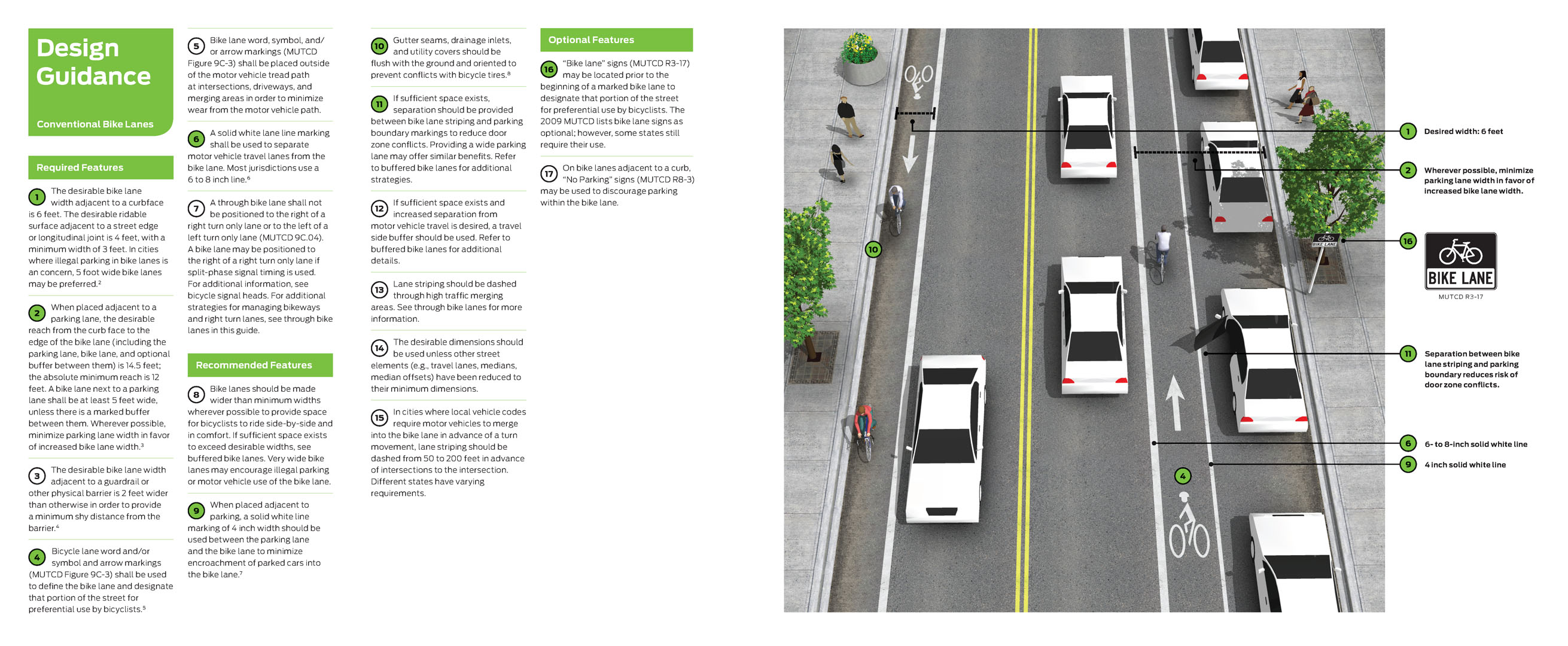
The NACTO Urban Bikeway Design Guide is based on the experience of the best cycling cities in the world. Design guidance for Class IV bikeways separated bikeways is provided in DIB 89. National Association of City Transportation Officials NACTO has created a new urban bikeways design manual based in large part on designs that have been innovated or adapted by their member cities which includes bike-friendly notables such as New York Portland San Francisco Minneapolis and Seattle among others. AASHTO Guide for the Planning Design and Operation of Bicycle Facilities DRAFT FOR AASHTO COMMITTEE REVIEW AND COMMENT. Conventional Bike Lanes National Association Of City Transportation Officials.
 Source: usa.streetsblog.org
All terms are based on AASHTO or MUTCD unless otherwise noted. Design guidance for bikeways should be referenced from AASHTO FHWA MUTCD and NACTO sources. Guide shall take precedence because it contains design guidance more current than the 2012 AASHTO Guide. FHWA Separated Bike Lane Planning and Design Guide. Key Design Guide To Finally Include Protected Bike Lanes Streetsblog Usa.
 Source: usa.streetsblog.org
Bikeway Selection Guide Complements FHWA Achieving Multimodal Networks August 2016. The June 20 2007 Proposed Architectural Barriers Act Accessibility Guidelines for Outdoor Developed Areas AGODA. AASHTO Bike Guide within this section are shown in parentheses eg. The 2012 AASHTO guide does not cover certain bicycle facility types that are contained in this TxDOT Bicycle Accommodation Design Guidance document. Key Design Guide To Finally Include Protected Bike Lanes Streetsblog Usa.
Source:
This document is primarily used for shared use paths designed as bicycle facilities. This basic bikeway design guidance was drawn from a variety of sources. The 2012 is the most recent final version. Its sole purpose is to help practitioners make informed decisions for selecting a bikeway. Michigan Gov.
 Source: yumpu.com
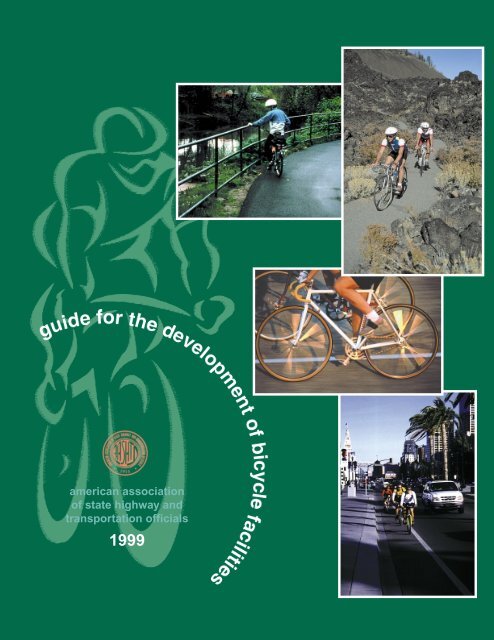
AASHTO Task Force on Geometric Design. Since many transportation engineers take their cues from AASHTO there was an urgent need to update the 1999 guide. DESIGN GUIDELINES6 The Pedestrian and Bicyle Information Center NACTO AASHTO the MUTCD nationally recognized bikeway standards and other sources have all informed the content of this chapter. The 2012 AASHTO guide does not cover certain bicycle facility types that are contained in this TxDOT Bicycle Accommodation Design Guidance document. Aashto Guide For The Development Of Bicycle Facilities 1999.